
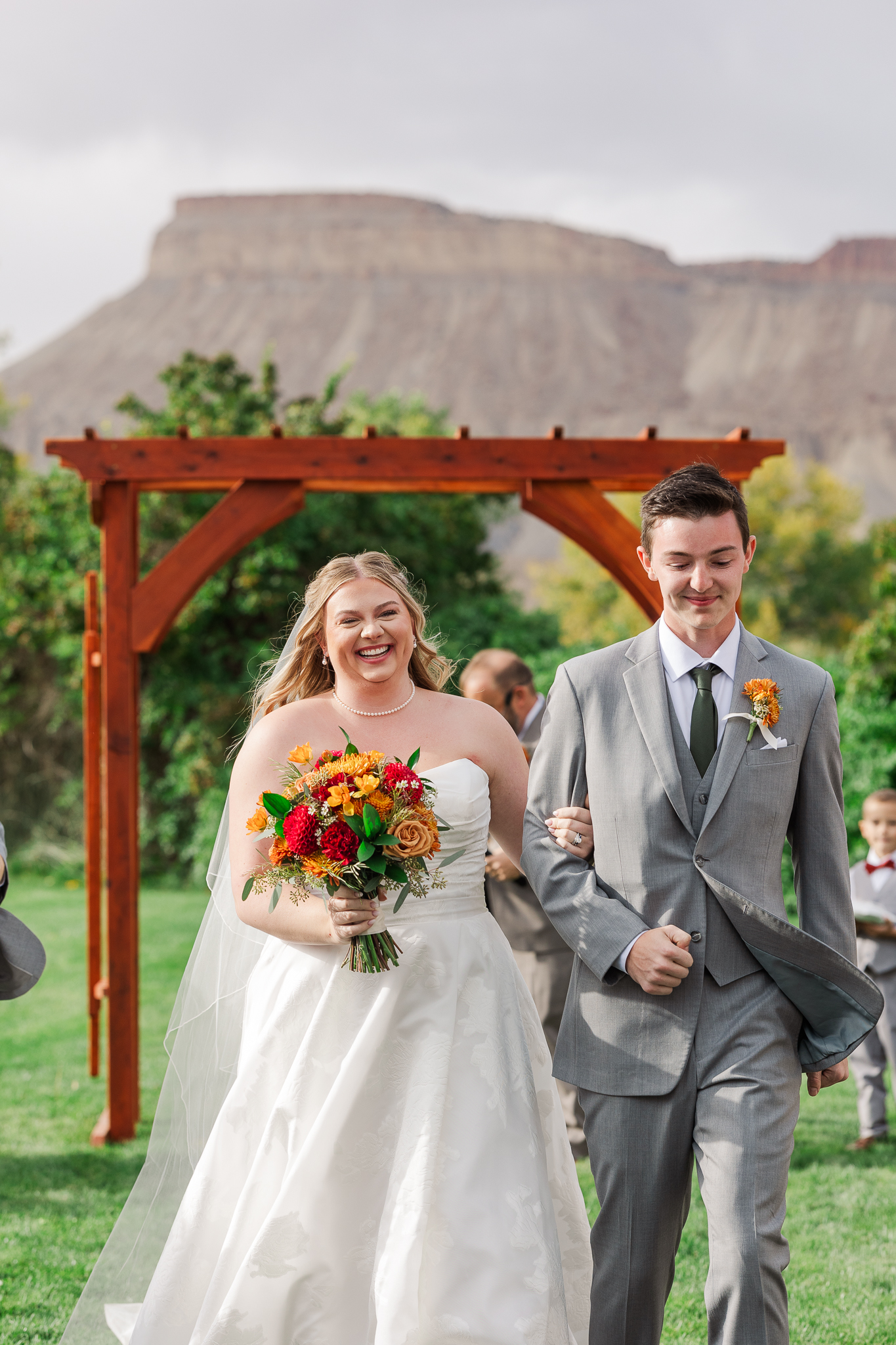
Best Seasons for Wedding Photography in Grand Junction
Choosing your wedding date involves way more than just picking a Saturday that works for your venue. The best time for weddings in Grand Junction depends mostly on what you are looking for. The season you pick shapes everything about your photos. Light, weather, scenery, what you’ll wear, and how comfortable your guests will be. All of it connects back to the time of year.
Grand Junction gives you something different each season. We’re talking real differences too, not just subtle shifts. Summer heat that hits the 90s. Fall colors that transform the whole valley. Spring blooms that pop up earlier than most of Colorado. Winter light that’s crisp and clear without the heavy snow you get in the mountains.
Your wedding photos will live with you for decades. The season you choose becomes part of your story. So let’s break down what each time of year actually means for Western Colorado weddings.
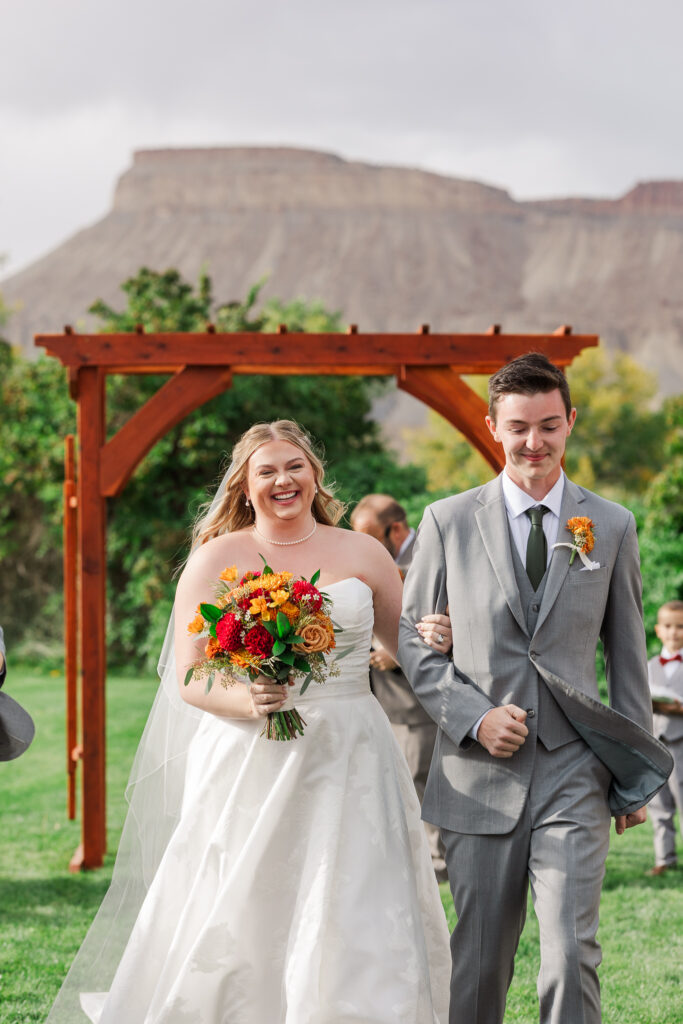
Understanding Grand Junction’s Unique Climate
Grand Junction sits at about 4,600 feet in elevation in a high desert climate. That’s lower than most of Colorado, which means different weather patterns than what people expect when they think “Colorado wedding.”
We get around 245 sunny days per year. That’s more sunshine than most places in the state. Precipitation stays low too, averaging only about 9 inches of rain and 16 inches of snow annually. When it does snow in town, it usually melts within a day or two.
Temperature swings are the real story here. Summer days can hit 94 degrees, but evenings cool down nicely. Winter mornings might start below freezing, but afternoons often warm up enough that you’re comfortable outside. That daily temperature range affects how you plan your ceremony time and what your guests need to wear.
Spring Weddings: March Through May
Spring arrives early in Grand Junction compared to mountain towns. By mid-March, you’ll see daffodils and tulips blooming. That’s weeks ahead of places like Vail or Aspen.
What Spring Brings to Wedding Photography
- Fresh green growth across vineyards and orchards
- Blooming flowers add natural color to outdoor venues
- Soft, flattering light as days get longer
- Minimal crowds at popular outdoor locations
- Unpredictable weather patterns (spring storms can roll in)
Palisade’s fruit orchards create stunning backdrops in spring. Peach blossoms typically appear in late April, covering trees in delicate pink and white flowers. Cherry and apple trees bloom around the same time, creating a dreamy setting that only lasts a few weeks each year.
The weather can shift quickly in spring. A warm, sunny morning might turn cloudy and cool by afternoon. Rain happens more frequently in March and April compared to the summer months. That doesn’t mean you’ll definitely get rain, but having a backup plan makes sense.
Venues with both indoor and outdoor options work well for spring weddings. The Grand Junction wedding photographer you work with should know how to adapt quickly if the weather changes during your day.
The upside? Spring often means better venue availability, and the valley looks absolutely fresh. Plus, your guests from out of state will appreciate escaping late winter weather back home to find spring in full bloom here.
Summer Weddings: June Through August
Summer is peak wedding season in Grand Junction, and it’s easy to see why. The weather stays consistently warm and dry. You get long daylight hours, with sunset not happening until after 8:30 pm in June and July.
Summer wedding benefits:
- Extended golden hour for photography (the sun sets late)
- Consistent weather patterns (very little rain)
- Lush, full vineyard growth in Palisade
- Warm evenings are perfect for outdoor dancing
- Peak tourism season means full energy downtown
The Heat Is Often Real
Midday ceremonies can be uncomfortable for guests, especially at exposed outdoor venues without shade. Most couples schedule summer ceremonies for late afternoon or early evening, taking advantage of that gorgeous evening light while avoiding the hottest part of the day.
Smart summer timing means planning your ceremony for 5 pm or later. That gives you comfortable temperatures for the actual ceremony and positions you perfectly for golden hour photos right after. Reception can extend into the evening as temperatures drop into the pleasant 60s.
Venue Availability Gets Tight in Summer
Popular spots book up a year or more in advance. If you’re set on a summer wedding at a specific venue, especially vineyard locations or Colorado National Monument sites, start your planning early.
Hotels fill up during the summer tourism season. Major events like Country Jam in June bring thousands of visitors to the area. If your wedding coincides with a big festival or event, book guest accommodations as soon as you set your date.
Fall Weddings: September Through November
Ask anyone who photographs weddings here regularly, and they’ll tell you fall is special. The light gets warmer and more golden. Temperatures drop back into comfortable ranges. And the scenery transforms completely.
Why Fall Works Beautifully for Wedding Photography:
- Golden aspen trees on Grand Mesa (usually peak late September/early October)
- Warm, flattering afternoon light
- Vineyard leaves changing colors in Palisades
- Comfortable temperatures for all-day celebrations
- Lower tourism crowds than in the summer
Fall Gives You the Best of Everything
Warm days, cool evenings, stunning natural color, and that incredible fall light photographers love – fall gives the right vibes. The low angle of the sun creates dimension and warmth in photos that summer’s overhead light just can’t match.
The quality of light changes in the fall. It takes on a golden, almost amber tone as the sun sits lower in the sky. This warm light flatters skin tones, makes colors pop, and creates that coveted “glow” in wedding photos.
Stunning Palisade Vineyards
Grape harvest happens in September and early October, adding working vineyard energy to the backdrop. You might see harvest crews working the vines, tractors moving between rows, and the bustling activity of a working agricultural area.
By late October, the vine leaves turn brilliant yellows and reds. Different grape varieties change color at different times, creating a patchwork of autumn tones across vineyard properties.
Peak Fall Color
The fall color varies year to year, usually happening late September through mid-October. If fall foliage is important to your photos, stay flexible with your date if possible, or plan for a location like Grand Mesa, where aspen trees create that classic Colorado fall look.
November brings more variable weather. You might get a warm, sunny day in the 60s, or you could see the season’s first real cold snap. Having indoor backup space makes sense for late fall dates.
Winter Weddings: December Through February
Winter weddings aren’t as common in Grand Junction, but they offer something unique. The light is crisp and clear. Crowds disappear at outdoor locations. And the landscape takes on a minimalist beauty that works beautifully in photos.
Grand Junction winters stay relatively mild compared to mountain towns. Average highs hover in the upper 30s to low 40s. When snow does fall in town, it usually melts within a day or two. Serious snow accumulation happens up on Grand Mesa and Powderhorn, but the valley stays clearer.
Winter wedding advantages:
- Dramatic lighting conditions (low winter sun)
- Venue availability and flexibility
- Potential for snow-dusted mountain backdrops
- Intimate atmosphere with smaller guest lists
- Unique, memorable photos
Winter Wedding Is Best Indoors
Winter ceremonies work best indoors or in covered spaces, with outdoor photos scheduled for the warmest part of the day. Late morning through early afternoon offers the best natural light and comfortable temperatures.
The Colorado National Monument gets especially photogenic in winter. Red rocks against a blue sky, possibly dusted with snow on the rims. Clear, dry days create visibility for miles. A Colorado elopement photographer who knows the area can find stunning winter locations that most people never consider.
The Unique Winter Light
Winter light has a quality you can’t replicate in other seasons. The sun stays low in the sky all day, creating that soft, directional light photographers usually only get during golden hour. This means you can shoot beautiful photos at noon in winter that would look harsh and unflattering in summer.
The shorter days mean less daylight for photos, but that concentrated quality of light creates some of the most beautiful images you’ll see all year.
Comparing Seasons for Light and Photography
Summer offers the longest shooting hours. Sunrise happens early, and sunset stays late, giving you maximum flexibility for photo timing. But that high summer sun can be harsh midday, creating strong shadows.
Spring and fall give you that perfect middle ground. The sun sits at a lower angle even at midday, creating softer, more flattering light. These seasons offer what photographers call “the sweet spot” – enough daylight hours to work with, but better quality light throughout the day.
Winter light is different. The sun never gets as high in the sky, which means softer, warmer-toned light even at noon. But you’re working fewer hours. Sunset happens before 5 pm in December, so timing becomes critical.
How each season affects your photos:
- Spring: Soft, variable light; fresh green tones; occasional dramatic clouds
- Summer: Extended golden hour; bright, vibrant colors; consistent, clear skies
- Fall: Warm, golden-toned light; rich earth colors; perfect late afternoon glow
- Winter: Crisp, clear light; high contrast; dramatic shadows and highlights
Making Your Seasonal Choice
There’s no single best season for weddings in Grand Junction. Summer gives you reliable weather and long daylight hours. Fall delivers stunning scenery and comfortable temperatures. Spring offers fresh landscapes and good availability. Winter creates unique, intimate celebrations with dramatic light.
The best time for weddings in Grand Junction is the season that aligns with your priorities, works for your most important guests, and fits the style of celebration you envision. Weather can be managed. Timing can be adjusted. But the seasonal backdrop you choose becomes part of your wedding story permanently. The family portrait sessions can happen any season, too, capturing different chapters of your story in the changing Western Colorado landscape.
Working with a photographer who understands Grand Junction’s seasonal patterns makes everything smoother. At Ashley McKee Photography, we can assure you of a memorable service. We know when light is best, which locations work each season, and how to adapt quickly when the weather throws curveballs. Get in touch to discuss how your chosen season can work beautifully for your wedding photos.
Frequently Asked Questions
What’s the most popular wedding season in Grand Junction?
Fall, particularly September and October, is the most popular wedding season due to comfortable temperatures and stunning scenery. Summer, with its long daylight hours and consistent weather, is a close second. Be sure to book early for fall or summer weddings, as prime dates at popular venues fill up over a year in advance.
How much does the weather vary between downtown Grand Junction and mountain venues?
Temperature drops by 3-5 degrees for every 1,000 feet of elevation gain. For instance, Grand Mesa, at 10,000 feet, is 15-20 degrees cooler than downtown Grand Junction. Mountain venues also experience more precipitation and lingering snow, so plan for cooler temperatures and extra travel time if weather affects road conditions.
Can you have outdoor ceremonies year-round in Grand Junction?
Yes, outdoor ceremonies are possible year-round, but winter weddings require careful planning. December through February can bring cold temperatures, though Grand Junction’s winters are milder than those in mountain towns. Late fall and early spring are ideal for outdoor ceremonies. With midday being the warmest. Summer works great, but avoid midday heat. Fall and spring offer the most flexibility.
What time should we schedule our ceremony for the best lighting?
For summer weddings, schedule ceremonies between 4 and 6 pm to capture golden hour photos. In fall and spring, late afternoon (3-5 pm) works beautifully. Winter weddings should be held from late morning to early afternoon for the best lighting. Consult with your photographer for specific timing based on your venue and date.
How do we prepare guests for Grand Junction’s weather on our wedding day?
Provide detailed weather info on your wedding website, outlining temperatures, sun exposure, and altitude differences. For summer weddings, mention heat and low humidity. Suggest layers for events with temperature shifts from the ceremony to the reception. Consider adding small touches like pashminas, fans, or sunscreen stations to keep guests comfortable.




Be the first to comment